

Leadership is one of the most talked-about subjects in Ghanaian organisations. Hardly a month — perhaps a week — passes without ads for workshops, conferences and books. That's a good thing. But one question gets far less attention:
How well do we really understand the people we lead?
- What motivates them?
- What affects their confidence?
- How do they process criticism?
- What might they be carrying outside work?
Same Event, Different Impact
A young salesperson delivers a pitch that goes badly. The client is harsh, and he leaves the meeting shaken. The usual response — "Don't worry, learn from it, do better next time" — works for some people. For others, it doesn't.
One person recovers quickly. Another loses confidence and starts questioning their ability altogether. This isn't about lowering standards — accountability and compassion aren't opposites. It's about recognising that people experience the same event differently, and may need different kinds of support to bounce back.
When People Leave Quietly
An accountant performs exceptionally well for years. Then she witnesses a senior leader speaking to a junior executive in a way she finds disrespectful and excessive. To the director, it's minor. To her, something shifts — and eventually she resigns.
The real reason often has little to do with salary or skill. People frequently leave because of how they feel in an organisation — and when they go, the company loses more than an employee: experience, institutional knowledge, relationships and future innovation.
People don't leave their humanity at the office door.
"But why? She was doing so well."
The Leadership Gap
Good leadership asks: "How do I get the best out of this person?"
Better leadership asks: "What does this person need in order to be at their best?" That shift recognises employees as whole people — with ambitions, fears, pressures and lives beyond the job description, not just resources attached to a role.
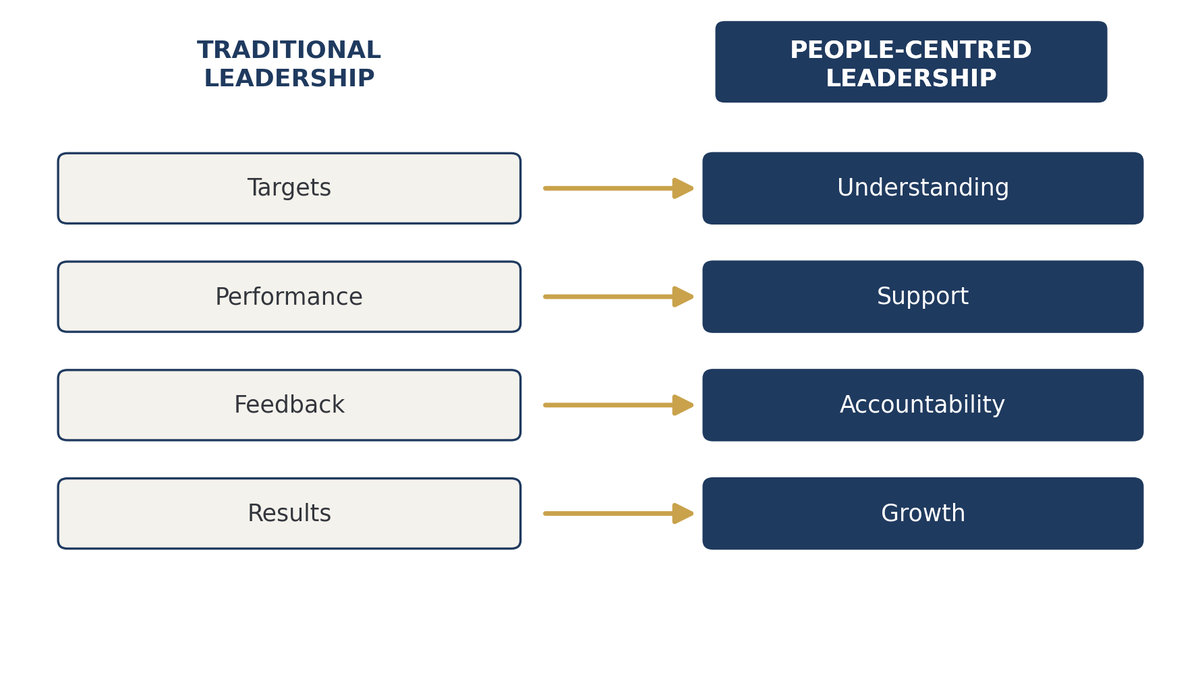
This shift doesn't remove accountability — it makes accountability more human.
Mental Health Is Not a Side Conversation
Employee wellbeing has long mattered to serious organisations. The opportunity now is to treat mental wellbeing as part of that same responsibility.
Leaders don't need to become therapists. Managers don't need to diagnose conditions. But they can be more observant, more empathetic, and more intentional about creating space for people to speak up, seek help and recover.

“You don't seem like yourself lately. Is everything okay?” — sometimes the answer is No. What happens next matters, which is why organisations need real support systems: employee assistance programmes, wellness initiatives, confidential channels and referral pathways, so no one has to navigate serious challenges alone.
The Real Leadership Question
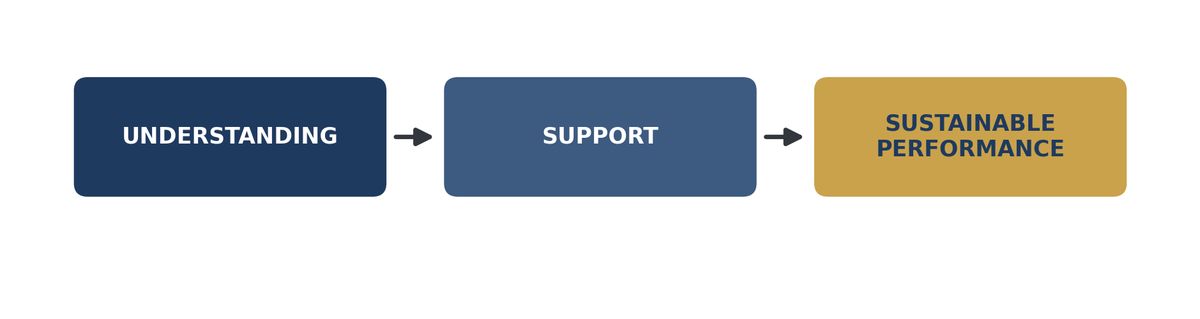
The next evolution of leadership may not be about managing people better — it's about understanding people better. That's a conversation Ghanaian organisations, and organisations everywhere, need to take far more seriously.
Leadership is not only about getting people to perform. It is about creating the conditions in which people can perform, grow and remain well.
Behind every target is a person. Behind every performance review is a person. Behind every resignation letter is a person. And behind every high-performing team is a group of people whose wellbeing can strengthen — or undermine — everything the organisation is trying to achieve.